Editorial Insights
Structured articles exploring aspects of male physiological balance, wellbeing, and the contextual factors that shape how these topics are understood.
A Curated Series of Contextual Articles
Each article in this series approaches the broad topic of male physiological balance from a distinct angle: historical context, environmental observation, daily pattern analysis, conceptual clarification, or terminological explanation. Together, they form a coherent but non-prescriptive framework for general understanding.
The articles are written in an editorial, informational style and do not constitute individualized direction of any kind. They are presented as general educational content, intended to broaden the reader's awareness of a complex and multifaceted topic. Readers are encouraged to engage critically and to consult additional sources as part of their own informed understanding.

Latest Insights
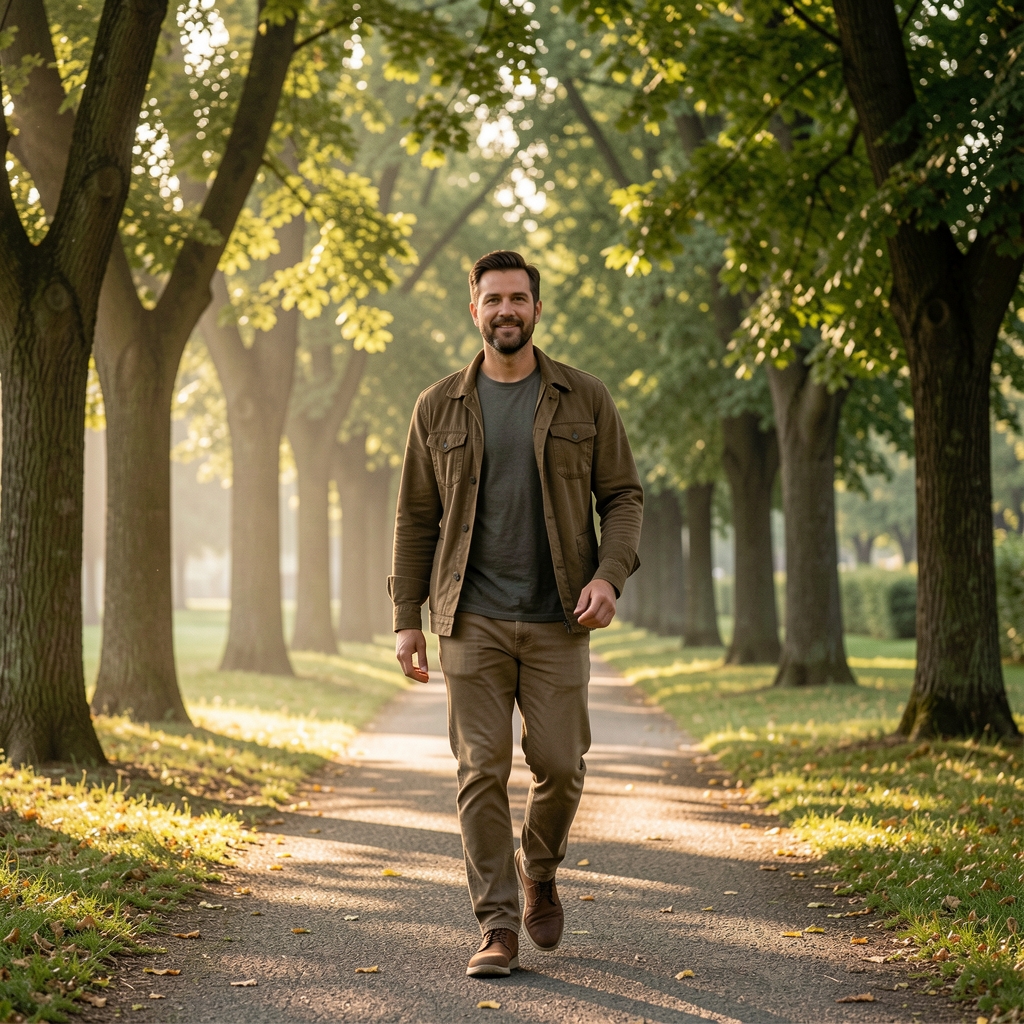
Exploring Daily Routines for Wellbeing
An examination of how consistent daily patterns — activity, rest, and engagement — have been contextually linked to physiological balance across different traditions.
Read Further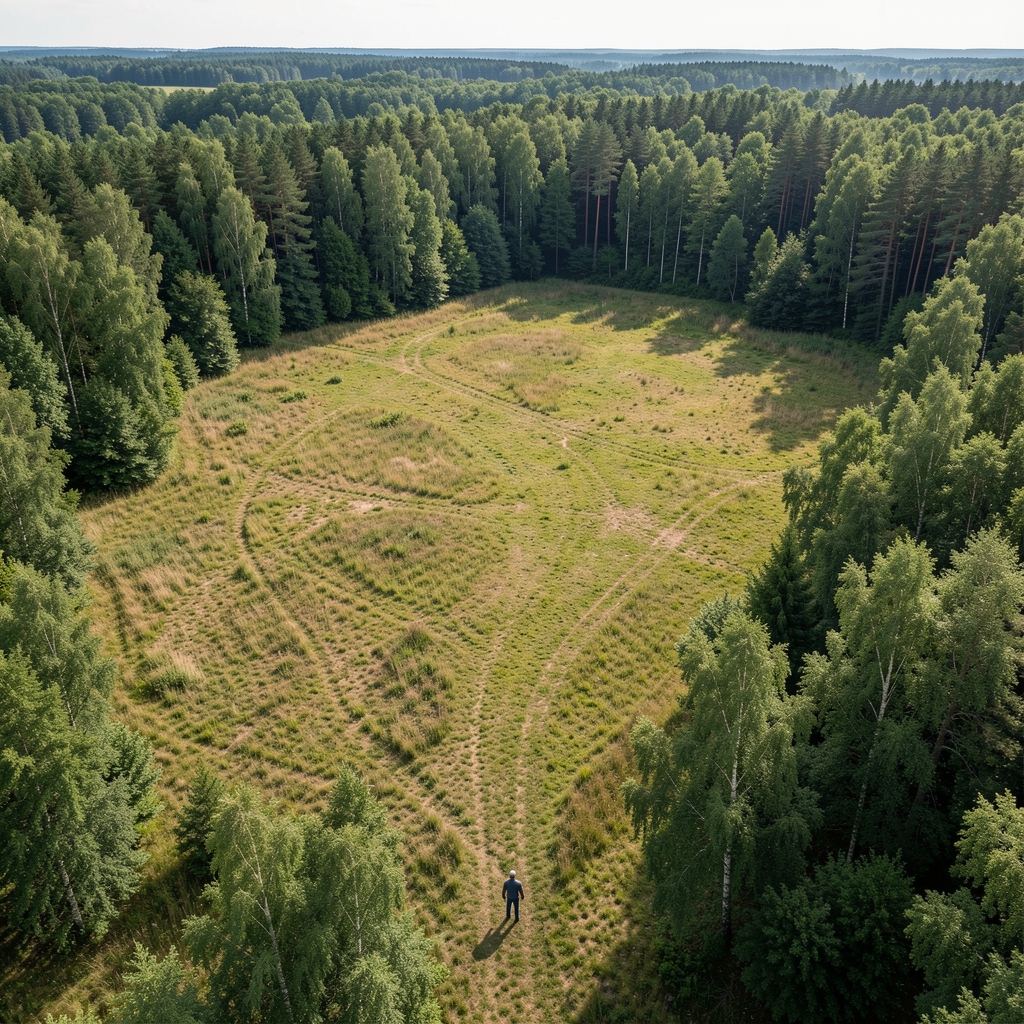
The Role of Environment in Male Physiology
How natural and built environments — from light and climate to living space — have been discussed in relation to male physiological experience.
Read Further
Historical Perspectives on Male Vitality
A survey of how ancient and pre-modern cultures understood male vitality — from elemental philosophies to ritualized contextual practices.
Read Further
Understanding Common Misconceptions
A systematic examination of widespread oversimplifications in popular understanding of male physiological balance, with neutral contextual clarifications.
Read Further
Foundational Terminology in Male Health
A glossary and detailed explanation of key terms frequently encountered in discussions of male physiological balance — definitions, origins, and contextual uses.
Read Further
Modern Approaches to Physiological Balance
An overview of contemporary frameworks — mindfulness, adaptive strategies, community context — that characterize current non-clinical discourse on male wellbeing.
Read Further