Light as a Physiological Context
The relationship between light and the human body has been observed across virtually every traditional physiological framework. The daily cycle of light and darkness — what we now describe in terms of circadian biology — was recognized in pre-modern contexts not through a mechanistic lens but through the observation of consistent behavioral and physiological patterns across populations and seasons.
Hippocratic medical writing includes extended discussion of the relationship between exposure to sunlight, the quality of air, and the physical constitution of the populations living in different geographical conditions. The treatise "Airs, Waters, Places" describes how populations living in different orientations relative to the sun — facing north, south, east, or west — were observed to have different physiological tendencies. This framework is crude by modern standards but reflects an early systematic attempt to understand how the light environment shapes physiological experience.
In many Asian traditional frameworks, the transition between light and darkness was understood as a shift between different qualities of environmental energy, each with implications for how the body should be engaged. The preference for activity during daylight hours and for rest aligned with darkness is common to Ayurvedic, Chinese, and various Southeast Asian traditional frameworks — a convergence that reflects the primacy of the light cycle as an environmental organizer of physiological life.
Climate, Season, and Physiological Adaptation
Perhaps more than any other environmental dimension, seasonal variation has attracted sustained attention from physiological thinkers across cultures. The observation that the body's tendencies, capacities, and requirements shift with the seasons is so consistent across traditional frameworks as to suggest a fundamental feature of the human experience.
"The body is not a fixed object moving through an indifferent world — it is a responsive system in ongoing negotiation with the conditions it inhabits."
Classical Galenic medicine organized seasonal physiology around the humoral framework: each season was associated with a dominant humor, and the adjustment of dietary and behavioral patterns to the season was understood as a way of maintaining humoral equilibrium. Spring was associated with blood and its upward, expansive qualities; autumn with melancholic tendencies toward inward contraction. While the specific framework is no longer current, the underlying insight — that the body responds differently to different seasonal contexts and that these differences are physiologically meaningful — reflects an astute observational tradition.
Traditional Indonesian and broader Southeast Asian frameworks have their own contextual understanding of climate's relationship to physiology. The consistent heat and humidity of tropical climates were addressed in traditional Jamu practices through the use of cooling and warming conceptual categories — not as literal temperature adjustments but as functional descriptions of physiological tendency. The emphasis on balance between hot and cool, wet and dry, reflects a framework for understanding how the ambient climate creates a physiological backdrop that the body must continually negotiate.
The Quality of Air: An Ancient Preoccupation
Before any mechanistic understanding of air composition existed, the quality of the air in a given location was considered a primary determinant of local health and physiological character. The Hippocratic tradition placed enormous emphasis on the air of a particular location as the first environmental factor to be understood when assessing the health of a population. Marshy, stagnant air was associated with sluggishness; mountain air with vitality; sea breezes with particular qualities of stimulation.
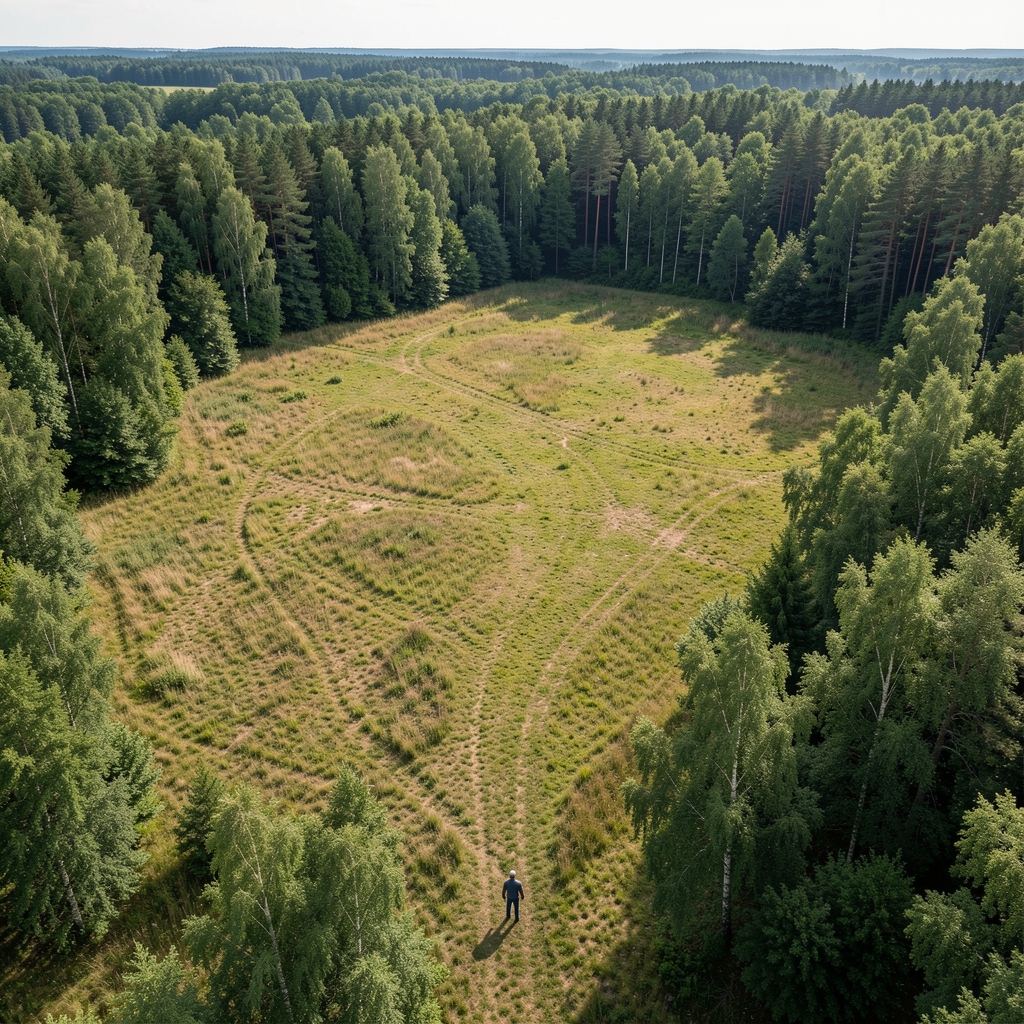
These observations were not merely symbolic. They reflect genuine empirical observation of the correlation between air environments and physiological patterns, even if the causal mechanisms were misunderstood. The persistent association of certain landscapes — mountain regions, coastal environments, forests — with physiological vitality across many cultures likely reflects actual differences in air composition, particulate levels, and atmospheric conditions that have real physiological significance.
The Built Environment: Space, Order, and Physiological Experience
As human populations have become increasingly urban, the relationship between the built environment and physiological experience has grown more complex. Traditional frameworks for this relationship were often articulated through spatial philosophy rather than physiological writing directly, but the implications were understood as physiological.
Chinese classical texts on spatial arrangement — what is commonly known as feng shui in its popular form, though the classical framework was considerably more nuanced — addressed the relationship between the organization of living space and the conditions of daily life. The concern was not merely aesthetic but physiological in a broad sense: how the arrangement of space affects the quality of rest, the ease of movement, the sensory character of the living environment, and by extension, the physiological experience of those within it.
Contemporary environmental psychology has revisited many of these themes through different frameworks, examining how factors like spatial organization, natural light access, vegetation, noise levels, and the visual character of spaces correlate with various measures of wellbeing. The convergence between ancient spatial philosophy and contemporary environmental research is not coincidental — both traditions are observing real features of the relationship between human physiology and the spaces it inhabits.
Noise and Sensory Environment
The sensory character of the environment — its sounds, its visual complexity, its olfactory qualities — has received comparatively less systematic attention in traditional frameworks than light and climate, but it is by no means absent from the record. Many monastic and contemplative traditions across cultures explicitly organized their physical environments to minimize certain sensory inputs: simplicity of visual environment, restriction of extraneous sound, attention to the quality of air. These practices were understood as supportive of particular physiological and psychological states.
The relationship between noise environments and physiological experience is one area where historical observation and contemporary research find clear common ground. The consistent association of excessive, irregular, or dissonant sound with physiological disruption — and of relative acoustic calm with physiological stability — appears across enough diverse frameworks to suggest a genuine and consistent feature of the human environmental relationship.
Reading the Environment as Context
What emerges from a survey of how traditional frameworks have addressed the environment is a consistent insight: the environment is not background to physiological life, but context. The body does not function independently of its surroundings; it functions within them, shaped by the qualities of light, air, space, temperature, and sensory character that characterize its habitual environment.
Understanding this contextual dimension does not require accepting any specific traditional framework's causal explanations. It requires only recognizing that the environments in which daily life unfolds are part of the physiological story — not external to it — and that the long human tradition of attending carefully to environmental context reflects a genuine and enduring insight about the nature of physiological experience.